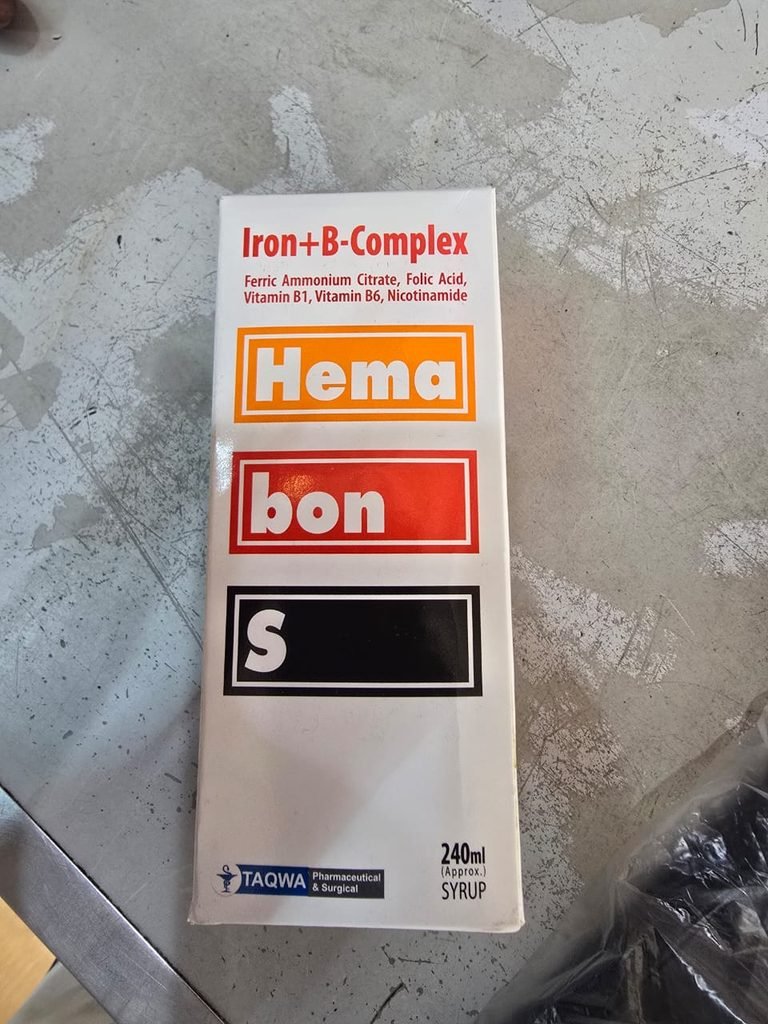
MOGADISHU, SOMALIA — The Somalia Pharmaceutical Business Council (SPBC) has warned that the alleged falsification and counterfeiting of established pharmaceutical brands by some Pakistan-based traders could seriously damage the reputation and quality perception of Pakistan’s wider pharmaceutical industry among Somali healthcare professionals, distributors and patients.
The warning follows Drug Eye Africa’s continuing reporting on Taqwa Pharmaceutical & Surgical, a Pakistan-based pharmaceutical trader associated with Mr. Naveed Qadir, over allegations involving the supply of products imitating or falsifying established pharmaceutical brands in the Somali market.
Products raised during the wider investigation include brands associated with Duphaston, Navidoxine, SuperHema and Hematone.
Pakistan Remains a Valued Pharmaceutical Partner
Drug Eye Africa approached the Somalia Pharmaceutical Business Council, which represents pharmaceutical businesses involved in medicine distribution and brand promotion, to obtain the industry’s perspective on the issue.
The Council emphasized that Pakistan is a brotherly country to Somalia and Pakistani pharmaceutical products are generally welcomed in the Somali market.
Pakistani manufacturers have built an important presence in Somalia, and many legitimate companies have invested considerable time and resources in developing brands, supporting distributors and establishing confidence among doctors, pharmacists and patients.
The Council stressed that its concern is therefore not directed at Pakistani pharmaceutical products or manufacturers generally.
Instead, SPBC warned that activities attributed to individual traders such as Taqwa Pharmaceutical & Surgical over approximately the past three years risk undermining the reputation that legitimate Pakistani pharmaceutical manufacturers have worked to build.
“One Trader Should Not Damage the Reputation of an Entire Industry”
According to SPBC, allegations involving the falsification or imitation of established brands such as Duphaston, Navidoxine, SuperHema and Hematone should concern Pakistan’s pharmaceutical industry as much as they concern Somalia.
The Council warned that repeated incidents involving products associated with Pakistan-based traders could gradually affect how Somali doctors, pharmacists, distributors and patients perceive the quality and integrity of Pakistani pharmaceutical products generally.
This could have consequences far beyond the companies directly involved.
Somali pharmaceutical distributors and legitimate manufacturers spend years building brands, educating healthcare professionals and developing confidence in their products.
When falsified or imitation products enter the same market, that confidence can be damaged quickly.
The actions of a small number of traders should not be allowed to undermine the reputation built by hundreds of legitimate Pakistani pharmaceutical manufacturers.
Brand Protection Is Also Patient Protection
The Somalia Pharmaceutical Business Council advocates for intellectual-property protection, responsible pharmaceutical business practices, patient care and pharmaceutical innovation.
SPBC emphasized that pharmaceutical brand falsification is therefore more than a copyright or commercial dispute.
Doctors, pharmacists and patients rely on established brand identities as part of recognizing medicines and understanding their source.
When another product deliberately imitates an established pharmaceutical brand, packaging or identity, it can create confusion regarding who manufactured the medicine, whether it originates from an authorized source and whether its quality has been properly assured.
For this reason, protection of pharmaceutical brands and intellectual property is closely connected with patient safety and supply-chain integrity.
SPBC Calls on PPMA to Intervene
The Somalia Pharmaceutical Business Council is urging the Pakistan Pharmaceutical Manufacturers’ Association (PPMA) to take the matter seriously and help protect the international reputation of Pakistan’s legitimate pharmaceutical industry.
SPBC believes PPMA and Pakistan’s established manufacturers should strongly oppose proven pharmaceutical falsification and counterfeiting and support appropriate regulatory action against companies or traders found to be involved.
The Council also called for greater cooperation between Pakistani pharmaceutical manufacturers, PPMA, regulatory authorities in Pakistan, Somalia’s medicines regulator and Somalia’s pharmaceutical business community.
Such cooperation could help identify questionable products earlier, protect legitimate brands and prevent falsified medicines from entering the supply chain.
Protecting the Reputation of Pakistani Pharmaceuticals
SPBC emphasized that Pakistan has many reputable pharmaceutical manufacturers producing medicines that have earned the confidence of Somali healthcare professionals and patients.
Those companies should not have their reputations damaged by the conduct of individual traders.
For Somalia, the message is equally important.
The country welcomes pharmaceutical investment, competition and quality medicines from Pakistan and other international partners—but competition must be legitimate and medicines must be authentic, traceable and appropriately regulated.
The Council believes stronger protection of intellectual property and pharmaceutical brands will encourage legitimate manufacturers to continue investing in Somalia while simultaneously protecting patients from questionable products.
Somalia Welcomes Quality—Not Falsification
The relationship between Somalia and Pakistan extends beyond pharmaceutical trade. SPBC described Pakistan as a brotherly country and valued commercial partner whose legitimate pharmaceutical manufacturers remain welcome in Somalia.
The Council’s warning is therefore intended to protect that relationship rather than undermine it.
A pharmaceutical reputation built over decades can be damaged by repeated incidents involving a small number of operators.
Pakistan’s legitimate pharmaceutical industry should not allow questionable traders to determine how Pakistani medicines are perceived in Somalia.
Somalia welcomes quality-assured Pakistani medicines, legitimate manufacturers and responsible pharmaceutical investment.
What it cannot accept—from Pakistan or anywhere else—is the falsification of established medicines at the expense of intellectual property, legitimate businesses and patient safety.
Protect the Brand. Protect the Industry. Protect the Patient.
Drug Eye Africa will continue following the reported cases involving Duphaston, Navidoxine, SuperHema and Hematone and will publish further regulatory, manufacturer and laboratory findings as they become available.
African patients deserve authentic, traceable and quality-assured medicines.
Editor’s Note: Comments attributed to the Somalia Pharmaceutical Business Council reflect information provided to Drug Eye Africa. References to falsification, counterfeiting or conduct by named companies and individuals are allegations unless established by competent regulatory authorities, laboratory evidence or judicial findings. Taqwa Pharmaceutical & Surgical, Mr. Naveed Qadir and other named parties are invited to provide documentation or a formal response for inclusion in subsequent reporting.
