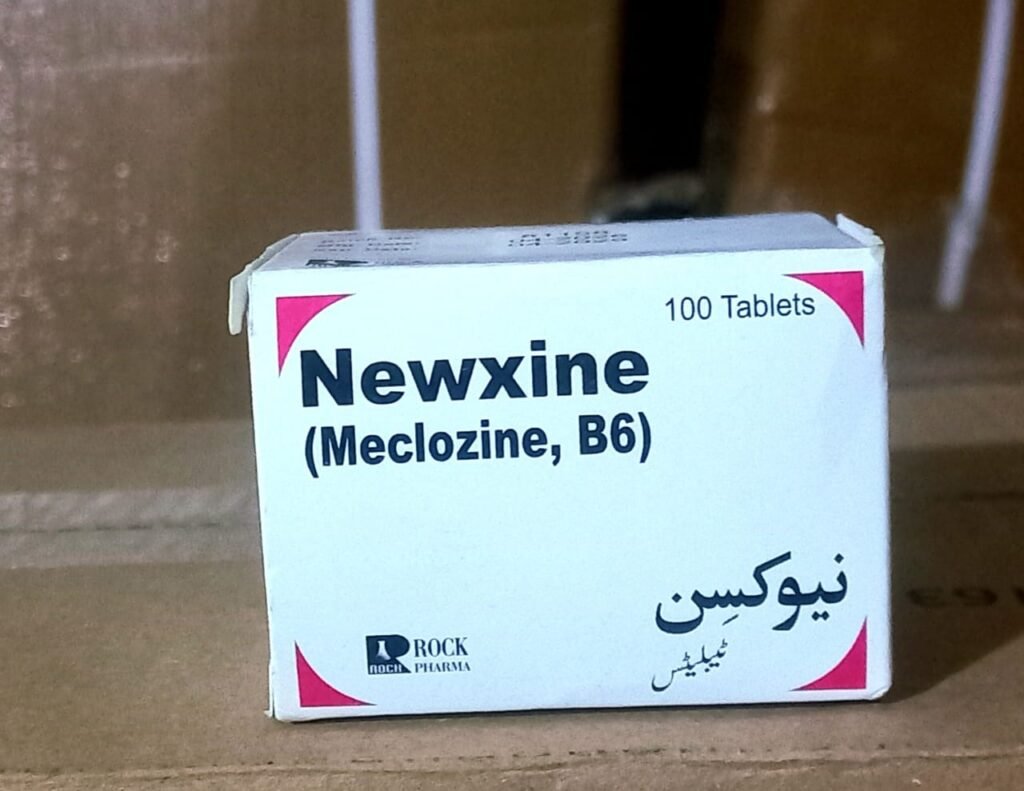
Drug Eye Africa examines an alleged pattern of imitation of established pharmaceutical brands, as a Navidoxine-related product found in Mogadishu undergoes laboratory testing.
MOGADISHU, SOMALIA — Drug Eye Africa is continuing its investigation into the alleged dumping of falsified and imitated branded pharmaceutical products into Somalia by Taqwa Pharmaceutical & Surgical, a Pakistan-based pharmaceutical trader associated with Mr. Naveed Qadir.
Our earlier investigation raised concerns involving several established brands, including Duphaston, Navidoxine and Hematone. Sources within Somalia’s medicines regulatory system have also indicated that concerns extend to more than 10 branded pharmaceutical products reportedly linked to suspected falsification entering the Somali market.
Today, Drug Eye Africa focuses on one of these cases: a product identified in Mogadishu that closely imitates the presentation and formulation associated with Navidoxine.
The Navidoxine Case
Navidoxine contains Meclizine Hydrochloride 25 mg and Pyridoxine Hydrochloride (Vitamin B6) 50 mg and is used for nausea and vomiting, including morning sickness during pregnancy.
The Navidoxine brand is internationally associated with UCB Pharma, while genuine Navidoxine in Pakistan is marketed under licence by AGP Pharmaceuticals.
As part of our investigation, Drug Eye Africa contacted sources associated with AGP, who confirmed information concerning the genuine product and concerns regarding suspected falsified or imitation products reaching Somalia outside the authorized supply chain.
Unauthorized Product Identified in Mogadishu
Drug Eye Africa obtained a product circulating in the Mogadishu pharmaceutical market labelled:
NEWXINE (Meclozine, B6) — 100 Tablets — ROCK PHARM
Our investigation found that this product does not form part of the authorized Navidoxine supply chain.
Of particular concern is its presentation. Drug Eye Africa’s examination found that the packaging design, artwork, layout and overall visual presentation are substantially similar to the established product, with only limited changes—approximately one or two words—to the brand presentation.
Changing a small number of words does not eliminate concerns where the overall pharmaceutical presentation appears designed to imitate an established medicine and benefit from its recognition among pharmacists, distributors and patients.
Combined with questions surrounding its authorization and regulatory documentation, this represents a significant falsification red flag.
https://drugeyeafrica.com/suspected-falsification-of-branded-medicines-raises-serious-concerns-in-somalia/: Taqwa Pharma Under Investigation Over Falsified Branded Medicines Entering Somalia
Samples Now Under Laboratory Testing
Drug Eye Africa has collected samples of the product from the Mogadishu market and submitted them for laboratory analysis.
Testing will establish whether the medicine contains the ingredients declared on its packaging, whether they are present at the stated strengths and whether the product meets applicable pharmaceutical quality specifications.
It is important to distinguish falsification from substandard quality.
Our investigation has identified concerns regarding the product’s identity, authorization and presentation. However, whether the medicine is also substandard will be determined by laboratory evidence.
The laboratory results remain pending and will be published by Drug Eye Africa once available.
Potential Concern for Pregnant Women
This investigation is particularly important because meclizine/pyridoxine combinations may be used for morning sickness during pregnancy.
If laboratory analysis establishes that the product is substandard, incorrectly formulated or contains inappropriate quantities of its stated ingredients, this could represent a serious patient-safety concern for pregnant women who may have used the medicine believing it was properly authorized and quality-assured.
Africa has already witnessed the consequences of medicine-quality failures. The 2022 contaminated paediatric medicines tragedy in The Gambia demonstrated how poor-quality medicines can become a public-health catastrophe. Quality concerns involving oxytocin in Kota, India, have similarly reinforced the importance of rigorous testing and oversight, particularly for medicines associated with maternal healthcare.
These cases are not being equated with the product currently under investigation. The lesson is simple:
Questionable medicines should be identified and investigated before patients are harmed—not after a tragedy occurs.
A Wider Pattern Under Investigation
The Newxine/Navidoxine case is part of a wider Drug Eye Africa investigation involving products associated with established brands including Duphaston and Hematone.
Drug Eye Africa has also begun communication with relevant pharmaceutical companies, including Indus Pharma and Abbott, to share falsification alerts and obtain further authentication information.
Information gathered during the investigation is also being shared with the Drug Regulatory Authority of Pakistan (DRAP) for regulatory clarification. Relevant information received from DRAP will be published as the investigation progresses.
The concern is increasingly broader than one medicine: whether established pharmaceutical brands, packaging and market recognition are being deliberately exploited to introduce unauthorized products into Somalia.
Somalia Is Not a Dumping Ground
African pharmaceutical markets must never become destinations for medicines whose identity, manufacturer, authorization, traceability and quality cannot withstand regulatory scrutiny.
The standard of pharmaceutical quality should not change simply because the destination is Somalia.
Drug Eye Africa will continue following the evidence, working with regulators and legitimate manufacturers, and testing products identified in the market.
When the laboratory results become available, we will publish them.
If the product passes the required pharmaceutical specifications, that finding will be reported. If it fails and is confirmed to be substandard, the implications will be considerably more serious—particularly because the medicine may be used by pregnant women.
Africa Deserves Better
Somalia is not a dumping ground for falsified medicines. African mothers are not a testing ground for questionable pharmaceutical products.
Africa deserves genuine, traceable and quality-assured medicines—and those who compromise the pharmaceutical supply chain must be held accountable.
Editor’s Note: This is an ongoing investigation. Laboratory testing remains pending and will determine whether the sampled product also fails pharmaceutical quality specifications. Findings and allegations concerning named parties remain subject to regulatory, documentary, laboratory or judicial verification. Named parties are invited to provide documentation or a formal response.
Drug Eye Africa | Safeguarding African Patients • Protecting Africa’s Pharmaceutical Supply Chain
